Management Systems World
All on Quality and other Standards in one place since 2010. Now Worldwide.
Please note that you have to be a registered member with paid membership in order to see full articles.
Register
Can DAkkS Reform Deliver Real Change?
The German Accreditation Body (DAkkS) has moved from planning to implementation of a major reform effort, but questions remain about its ability to produce meaningful results.
Investment, Not Expense: Travel Can Preserve Company Culture
Travel is often viewed as a business expense, but Michael Mills argues that, in the right circumstances, it can be a worthwhile investment in company culture.
Unpacking the Major Changes in ISO/IEC 17020:2026
Inspection bodies preparing for future accreditation assessments will face new expectations under ISO/IEC 17020:2026, the first major revision of the standard in more than a decade.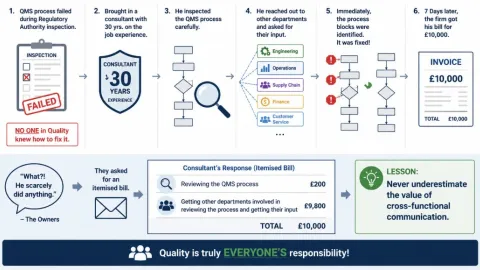
Get Every Department Involved in Quality, Or Pay for It
Quality depends on more than just the quality department.
Lessons From ASQ's World Conference on Quality and Improvement
Mike Richman, Exemplar Global's Manager of Communications, reflects on the ideas and conversations that stood out to him at the American Society for Quality (ASQ) World Conference on Quality and Improvement (WCQI).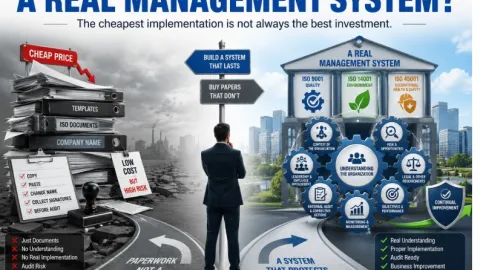
The Hidden Cost of Cheap IMS Consulting
Companies looking to implement an integrated management system (IMS) may be attracted by what appears to be a bargain.
Don't Expect Your QMS Engineer to Be a Superman
A single Quality Management System (QMS) engineer cannot be expected to handle every quality responsibility alone.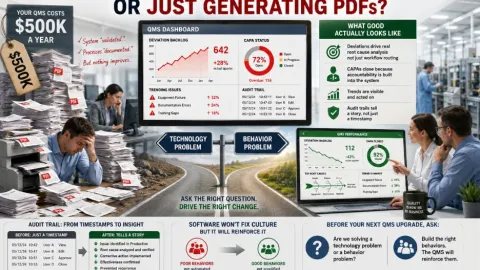
Is Your QMS Delivering Results or Digitizing Dysfunction?
Quality management systems should lead to measurable improvements in organizational performance, not simply documented processes.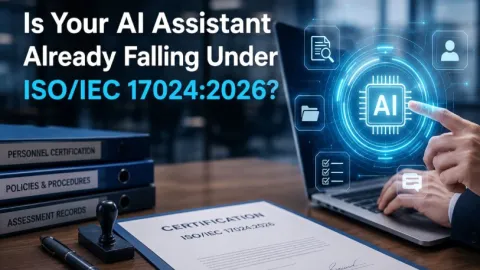
ISO 17024:2026 Treats AI Based on Its Role in Certification
ISO/IEC 17024:2026 requirements for AI use in personnel certification depend on the role tools play in certification activities and decision-making.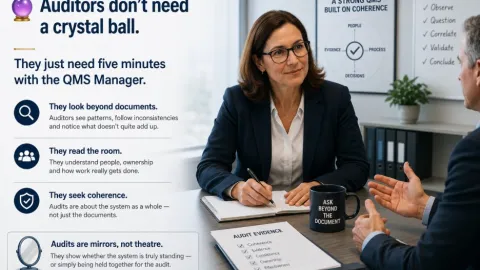
No Point Pretending - Experienced Auditors Will See Through It
Experienced auditors can often tell within minutes whether a quality management system (QMS) is genuinely embedded in the organization or simply polished for audit day.
The Power to Change Things Matters More Than the Title
The ability to actually change things is what many people working in quality ultimately want from their careers, argues quality mentor Ekaterina Potemkina.
Early Regulatory Strategy Can Shape MedTech Startup Growth
If MedTech startups want to secure funding, reach the market faster, and avoid costly delays, they need to build regulatory planning into their business strategy from the earliest stages of development.
Auditors Do Not Need to Dominate the Room to Be Effective
Maintaining strong standards and effective compliance work does not mean that auditors need to be overly confrontational.
7 Reasons Workers Bypass Management Systems
Employees often ignore management systems not out of resistance, but because the systems are disconnected from real daily work, writes quality coach and mentor Ekaterina Potemkina.
Critical Thinking as a Missing Skill in Audits
Critical and analytical thinking remain underdeveloped skills in many audit environments, writes Jörg Westphal, managing partner at Hellmund Die Personalberater.
Understanding Flexible Scope in Accreditation
Who decides whether a conformity assessment body can operate under a flexible scope in accreditation?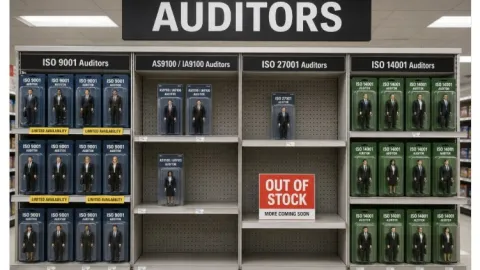
If Only Auditors Were Stacked on Shelves
If certification bodies worked like grocery stores, with auditors sitting ready on shelves whenever needed, life would certainly be easier for companies.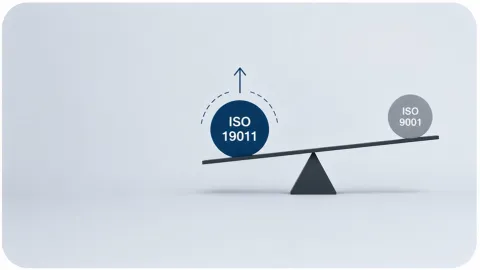
ISO 19011 Revision May Matter More Than ISO 9001 for Future Audits
ISO 19011:2026 could have a bigger practical impact on companies than the upcoming ISO 9001 revision because it will reshape how organizations prepare for audits and prove their management systems are effective.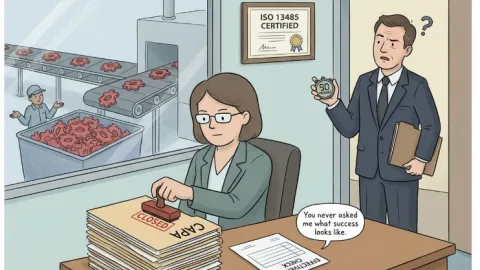
Closing CAPAs Without Effectiveness Checks Fails to Prove Issues Are Fixed
Even a major medical device manufacturer with ISO 13485 certification can run CAPA processes without meaningful effectiveness checks, as highlighted by Michelle Hilling.
Reasons Why Certification Audits Lose Their Edge
Certification audits can either challenge and strengthen organizations or simply help them tick the box, and concern is growing that the latter is becoming more common.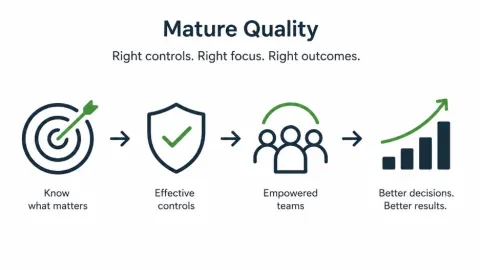
Reaching Quality Maturity Requires Simpler, More Effective Systems
Many quality systems become heavier over time, but maturity comes from making them work better, not adding more layers.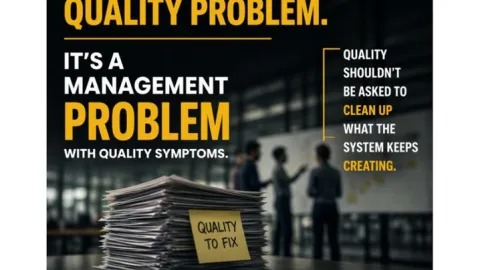
Quality Issues As Symptoms Of Weak Management Systems
What is often described as a quality issue may instead point to a weakness in how the organization is managed.
Audit Theater Wastes Time And Hides Real Problems
Companies often stage their systems before audits instead of showing how they actually work.