
Management Systems World
All on Quality and other Standards in one place since 2010. Now Worldwide.
News Europe
Please note that you have to be a registered member with paid membership in order to see full articles.
RegisterSelected News
RvA Updates Prisma Reporting Tool for Assessment Reporting
The Dutch Accreditation Council (RvA) has launched an updated version of its Prisma Reporting Tool, introducing changes to how assessment findings, deviations, and reports are structured and presented.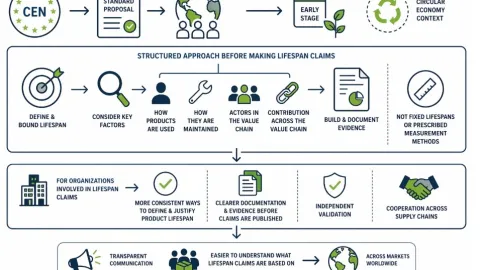
European Standard Proposal Aims to Clarify Product Lifespan Claims
The European Committee for Standardization (CEN) is considering a new standard that would help organizations worldwide better justify and communicate how long their products are expected to last.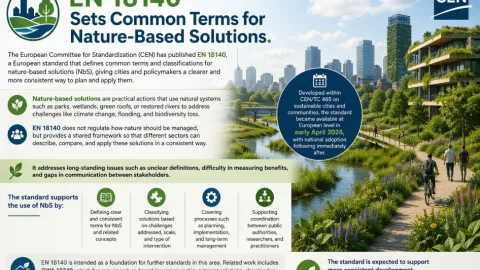
EN 18140 Sets Common Terms for Nature-Based Solutions
The European Committee for Standardization (CEN) has published EN 18140, a European standard that defines common terms and classifications for nature-based solutions (NbS),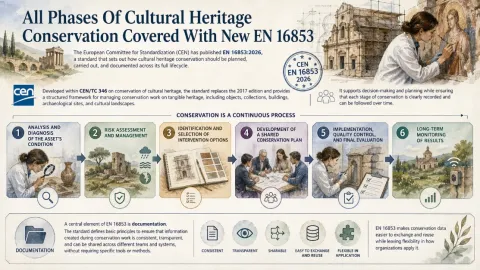
All Phases Of Cultural Heritage Conservation Covered With New EN 16853
The European Committee for Standardization (CEN) has published EN 16853:2026,
EN 15978 Harmonizes Building Environmental Performance Assessment
The European Committee for Standardization (CEN) has published EN 15978:2026,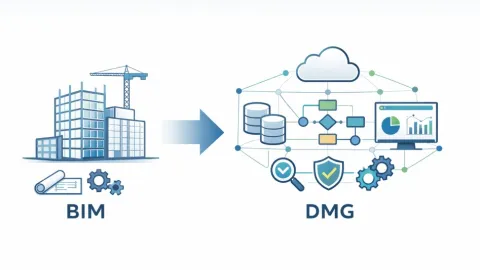
UNI 11337-8 Sets Framework for Managing Digital Processes in Construction Sector
The Italian National Standardization Body (UNI) has published UNI 11337-8:2026, now in force as of April 9,
ISO 14001 Update, Digital Twins and IoT Featured in UNE Magazine
The Spanish Association for Standardization (UNE) has released the April 2026 issue of its Revista UNE,
Standard Norway Seeks Expert to Adapt Oil and Gas Materials Standard for Shorter Projects
The Standard Norway (SN) is looking for an external expert to help adjust the NORSOK M-001 materials standard so it better fits today’s shorter oil and gas projects.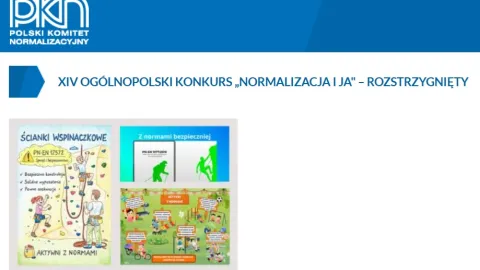
Winners Of The 14th National Competition "Standardization And Me" Announced
The Polish Committee for Standardization (PKN) has announced the results of the 14th National Competition "Standardization And Me", drawing strong participation from students and teachers across Poland.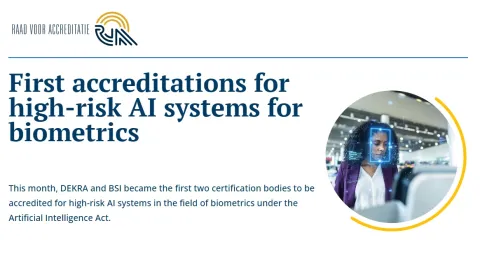
DEKRA and BSI Receive First Accreditations for High Risk AI Systems Under EU AI Act
The Dutch Accreditation Council (RvA) has granted the first accreditations under the European Union’s Artificial Intelligence Act (AI Act) to DEKRA and the British Standards Institution (BSI) for certification of high-risk AI systems in biometrics.
Serbia Updates Accreditation Requirements for Organic Product Certification Bodies
The Accreditation Body of Serbia (ATS) has announced updates to accreditation scopes for certification bodies in organic food production following the adoption of a new Law on Organic Production, which takes effect on June 1, 2026.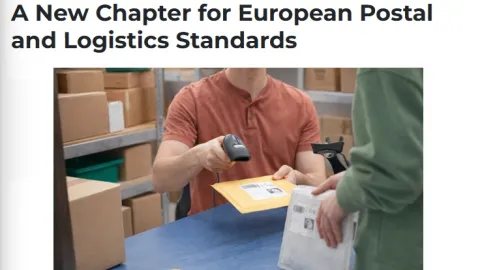
CEN Merges Postal and Logistics Committees into Expanded Transport Standardization Body
The European Committee for Standardization (CEN) is merging its postal services committee into its transport and logistics committee, creating a single body covering transport, logistics, and postal services.Global News

BRCGS Opens Public Consultation for Global Standard Food Safety Issue 9
BRCGS has opened a public consultation on Global Standard Food Safety Issue 9, inviting stakeholders to comment on the current version of the standard as part of the revision process toward the next issue.
Global Accreditation Cooperation Incorporated Launched, Replacing IAF and ILAC
Global Accreditation Cooperation Incorporated officially began operations on January 1, 2026, establishing a single international accreditation body that
Global Method to Measure Low-Carbon Electricity Defined in PAS 247
A new specification published by the British Standards Institution (BSI), PAS 247, establishes a common method to measure electricity produced by fossil-fuel power plants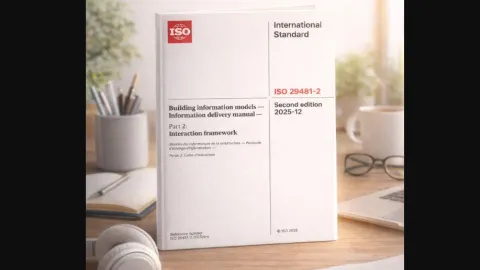
ISO 29481 Part Two Defines Practical Digital Communication for BIM
ISO 29481-2:2025 has been officially published, setting out how practical digital communication can be implemented in building information modeling (BIM) and infrastructure projects, as well as in other asset-related use cases across all life cycle stages.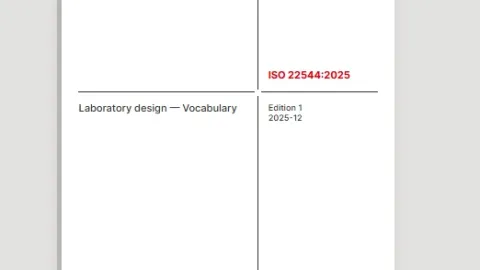
ISO 22544 Sets a Common Vocabulary For Laboratory Design
The International Organization for Standardization (ISO) has published ISO 22544:2025, an International Standard that defines a shared vocabulary for laboratory design to improve clarity and consistency in how laboratories are planned, built, and used.
Upcoming IFS Local Food Safety Check Addresses Needs of Small-Scale Food Businesses
IFS is preparing to introduce IFS Local, a new food safety check designed for small-scale food processing businesses,
A Fresh Fit for Fashion as ISO Launches Global Clothing Size System
A recently published ISO standard, ISO 8559-2:2025, gives the global clothing size system a makeover by replacing national size labels with clear body measurements to support more consistent sizing worldwide.
ISO Publishes Two New Resources on Consumer Voices in AI and Emerging Technologies
The International Organization for Standardization (ISO) has released two new resources aimed at strengthening the role of consumers in the standardization of artificial intelligence (AI) and other emerging technologies.
ISO/TS 14064-4 Introduced to Support Greenhouse Gas Reporting
The International Organization for Standardization (ISO) has published ISO/TS 14064-4, a new technical specification designed to help organizations apply ISO 14064-1 more consistently when measuring and reporting greenhouse gas emissions.
BRCGS Opens Public Consultation on Consumer Products Issue 5 Draft
BRCGS has opened a public consultation on the draft of Global Standard Consumer Products Issue 5, marking the first full revision of the standard since 2016 and setting the direction for how non-food consumer products will be certified in the coming years.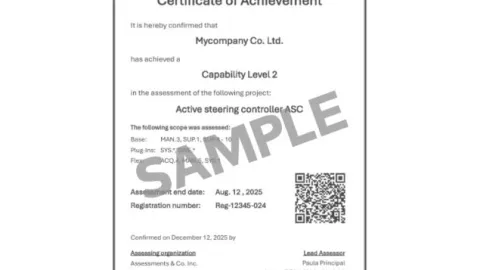
VDA QMC Introduces Official Certificates for Automotive SPICE Assessments
From January 1, 2026, companies will be able to officially register Automotive SPICE assessment results with the VDA Quality Management Center (VDA QMC) and issue recognized certificates without infringing trademark rules.