Management Systems World
All on Quality and other Standards in one place since 2010. Now Worldwide.
News Turkey
Please note that you have to be a registered member with paid membership in order to see full articles.
RegisterSelected News
TBDS Digital Verification Now Mandatory for TÜRKAK Calibration Certificates
The Turkish Accreditation Agency (TÜRKAK) is moving ahead with the mandatory implementation of its Document Verification System (TBDS) for calibration laboratories.
Türkiye, Lithuania and Croatia Join PEFC Forest Certification System
Türkiye, Lithuania and Croatia have each received official endorsement from the PEFC Alliance, opening the way for the expansion of PEFC-certified forest areas in all three countries.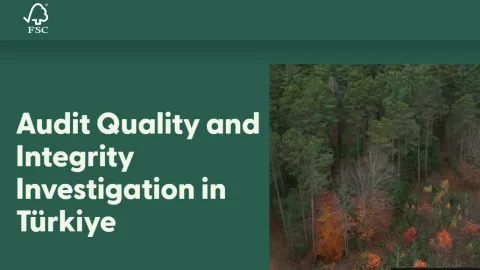
FSC Launches Audit Integrity Probe in Türkiye to Address Certification Risks
The Forest Stewardship Council (FSC) has commissioned Assurance Services International (ASI) to conduct an independent investigation into audit quality and integrity issues in Türkiye.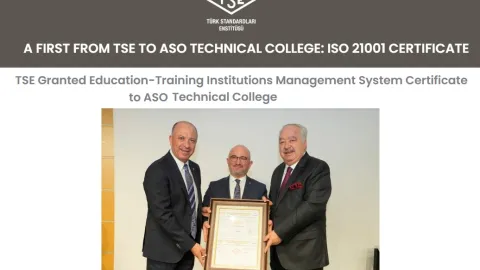
ASO Technical College Becomes First in Türkiye to Earn ISO 21001 Certificate
ASO Technical College, a vocational high school established by the Ankara Chamber of Industry,
Accreditations for Carbon and Water Footprint Verification Now Open Through TÜRKAK
TÜRKAK has begun accepting accreditation applications from organizations seeking to verify compliance with ISO 14067 and ISO 14046 standards. The move supports Turkey’s broader efforts to track and manage environmental impacts in line with global climate goals.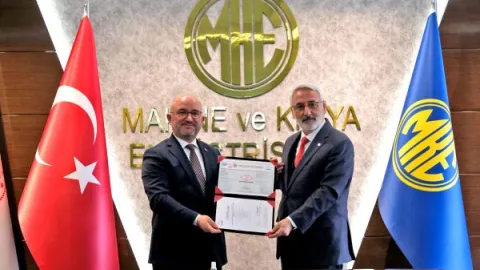
Turkish Defense Manufacturer MKE Earns Occupational Health and Safety Certification From TSE
Machinery and Chemical Industry (MKE), a key player in Türkiye’s defense sector, has been awarded the TS EN ISO 45001 Occupational Health and Safety Management System Certificate by the Turkish Standards Institute (TSE) following a successful conformity audit.
TÜRKAK Starts Accreditation Service for ISO 22301 Business Continuity Standard
TÜRKAK has launched accreditation services for certification bodies working with the ISO 22301:2019 Business Continuity Management System standard, which helps organizations remain operational during crises.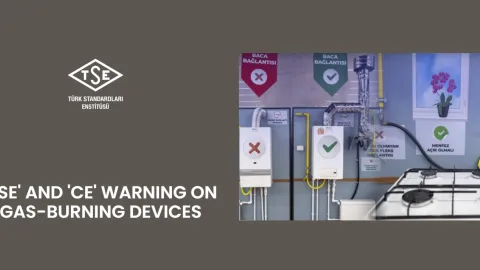
Turkish Standardization Body Warns Against Using Heating Devices Without CE and TSE Certifications
As winter temperatures drop, the Turkish Standards Institution (TSE) has warned that heating devices without 'CE' and 'TSE' certifications pose serious safety risks.
FSSC 22000 Certification in Turkey Surpasses 1,000 Milestone
Foundation FSSC has announced that over 1,000 FSSC 22000 certificates have been issued to organizations in Turkey, highlighting the country's growing commitment to globally recognized food safety standards.
TÜRKAK Launches New AI Accreditation Under ISO 42001
The Turkish Accreditation Agency (TÜRKAK) has begun providing accreditation services to certification bodies in the field of Artificial Intelligence (AI) under the ISO/IEC 42001 standard.
TÜRKAK Expands Certificate Verification System to Calibration Sector
The Turkish Accreditation Agency (TÜRKAK) has introduced the TÜRKAK Document Verification System (TBDS) to the calibration sector, enhancing transparency and traceability in calibration processes.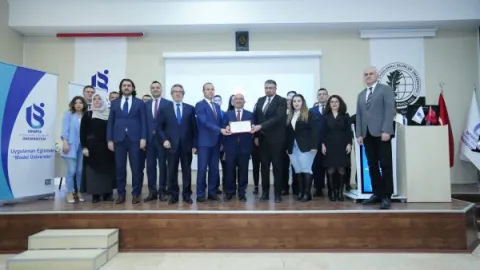
Isparta University of Applied Sciences Receives Quality Management Certificate
Isparta University of Applied Sciences (ISUBÜ) has been awarded the TS EN ISO 9001:2015 Quality Management System certificate.Global News
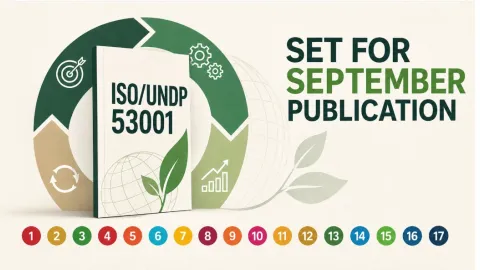
Upcoming ISO/UNDP 53001 Sets First Management System Requirements for the SDGs
ISO/UNDP 53001, set for publication in September 2026, will provide the first management system requirements specifically for organizations seeking to manage and improve their contribution to the Sustainable Development Goals (SDGs).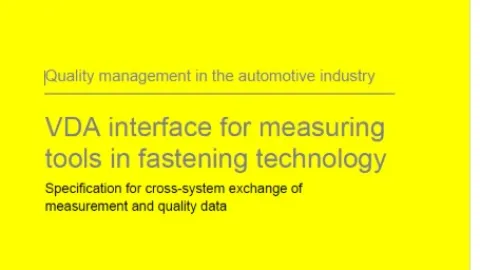
VDA Releases VDA 5.4 Draft for Fastening Measurement Tools
The Quality Management Center of the German Association of the Automotive Industry (VDA QMC) has released VDA 5.4, Interface for measuring tools in fastening technology, as a Yellow Volume for industry feedback.
ISO/CASCO Clarifies: ISO/IEC 17025 Does Not Require Labs to Treat Accreditation Bodies as Suppliers
The maintenance group of the International Organization for Standardization’s Committee on Conformity Assessment (ISO/CASCO) has clarified that ISO/IEC 17025:2017 does not require laboratories to treat their accreditation bodies as external service providers subject to the standard’s supplier controls.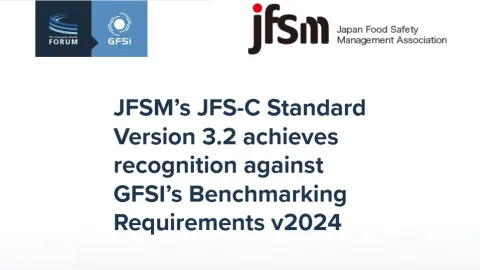
JFS-C Standard Version 3.2 Gains GFSI Recognition Under 2024 Benchmarking Requirements
The Global Food Safety Initiative (GFSI) has recognized JFS-C Standard Version 3.2 from the Japan Food Safety Management Association (JFSM) against its 2024 Benchmarking Requirements.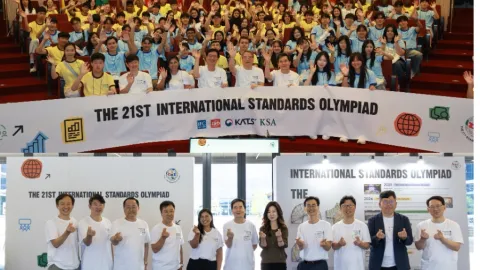
21st International Standards Olympiad Held in Korea
The 21st International Standards Olympiad brought together 105 middle-and high-school students from 11 countries in the Republic of Korea for a three-day competition and hands-on experience with international standardization.
ISO Environmental Management Committee Seeks Global Input for 2027-30 Plan
The International Organization for Standardization (ISO) Technical Committee 207 (ISO/TC 207), Environmental management, has launched a global consultation to help set its priorities for 2027-30.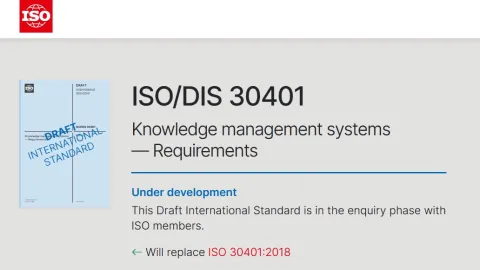
DIS Ballot for ISO 30401 Knowledge Management Revision Closes September 17
ISO 30401, the international standard for knowledge management systems, is currently at the Draft International Standard (DIS) stage, with voting on the proposed second edition due to close September 17, 2026.
IFS Publishes PPWR White Paper and Launches Self-Assessment as EU Rules Take Effect
International Featured Standards (IFS) has published a new PPWR white paper and launched a self-assessment tool as the first requirements of the European Union’s Packaging and Packaging Waste Regulation (PPWR) took effect on August 12, 2026.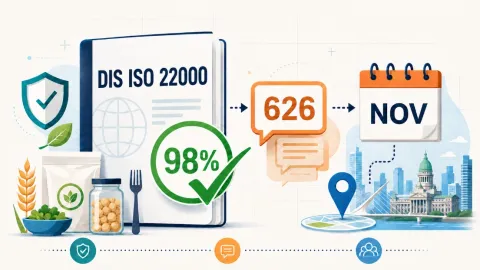
ISO 22000 Draft Approved With 98% Support, Comments Review Set for November
The revision of ISO 22000, the international standard for food safety management systems, has cleared its Draft International Standard (DIS) ballot with 98% positive votes.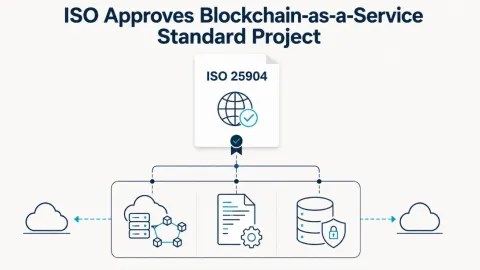
ISO Approves Blockchain-as-a-Service Standard Project
The International Organization for Standardization (ISO) has approved ISO 25904, a new standard project to establish a common technical framework and functional requirements for Blockchain-as-a-Service (BaaS) platforms.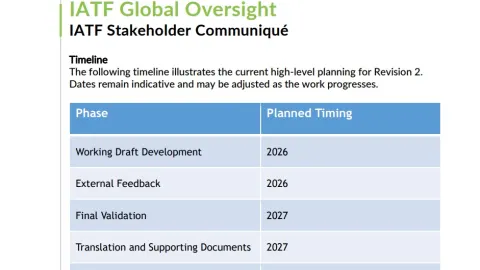
IATF 16949 Second Edition Expected in Mid-2027 With Five Priorities Set
IATF 16949 is expected to reach its second edition in mid-2027, with five priorities set for the revision.