Management Systems World
All on Quality and other Standards in one place since 2010. Now Worldwide.
News Balkan
Please note that you have to be a registered member with paid membership in order to see full articles.
RegisterSelected News
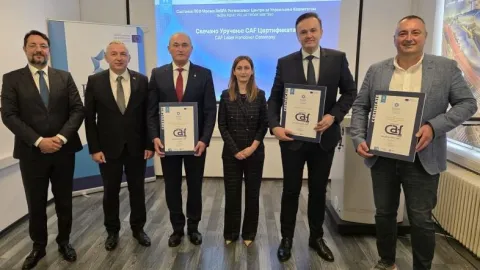
ATS Earns CAF Certification for Advancing Public Sector Quality and Service Efficiency
The Accreditation Body of Serbia (ATS) has been awarded the Common Assessment Framework (CAF) certificate for its efforts to improve public sector performance through better management, transparency, and service delivery.
Serbia’s KS CASCO Reviews Draft of ISO 19011 Management Systems Auditing Standard
Serbia’s national mirror committee to ISO CASCO has reviewed the draft of ISO DIS 19011, Guidelines for Auditing Management Systems,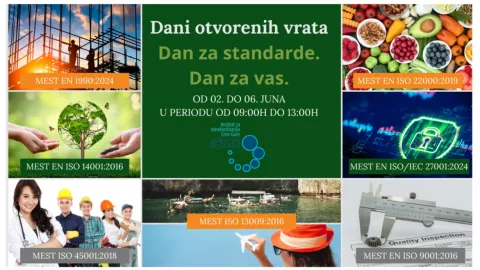
Montenegro’s ISME Hosts Open Week to Promote Standards
The Institute for Standardization of Montenegro (ISME) is marking 18 years of work with a week-long open house event titled “A Day for Standards. A Day for You.”
Third European Halal Congress in Sarajevo to Promote Global Exchange of Knowledge
The third edition of the European Halal Congress will be held on June 16–17, 2025, at Hotel Hills in Sarajevo.
Bosnia and Herzegovina Proposes New Technical Committee for Postal Services Standards
The Institute for Standardization of Bosnia and Herzegovina (ISBIH) has launched an initiative to establish BAS/TC 67, a new national technical committee for postal services.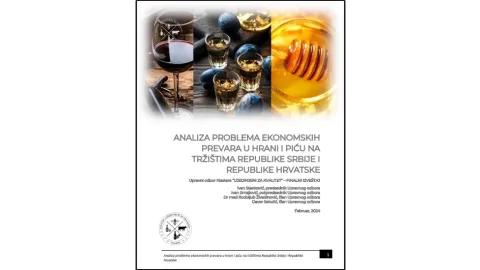
Study Reveals Motives Behind Serbian Honey Testing Lab Destruction
A comprehensive study on food fraud in Serbia and Croatia reveals insights into the recent destruction of Europe's only EIM-IRMS system accredited lab for honey testing.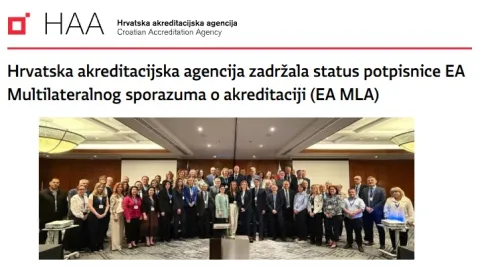
Croatia Passes Peer Review, Remains in EA Multilateral Accreditation Agreement
The Croatian Accreditation Agency (HAA) has retained its status as a signatory to the European co-operation for Accreditation Multilateral Agreement (EA MLA),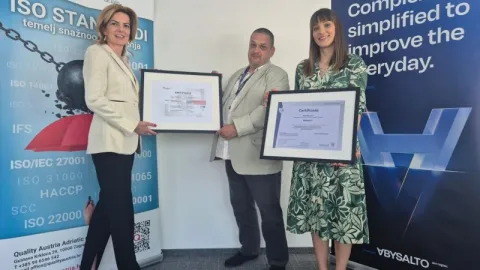
Abysalto Successfully Recertified to Six ISO Standards
Abysalto, , a Croatia-based provider of IT services and consulting, has successfully renewed its certifications for six ISO standards, confirming its ongoing commitment to quality, environmental responsibility, information security, and records management.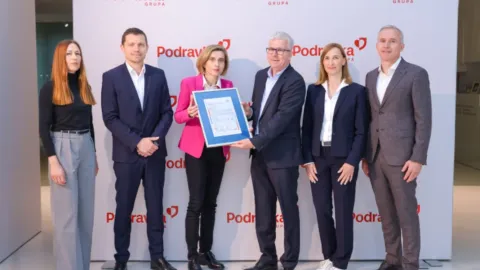
Podravka Factory Achieves BRCGS Certification Following Audit
Podravka’s Vegeta, Soup, and Pasta Factory has successfully passed the BRCGS Food Safety audit, confirming that its product range meets the highest global standards for food safety and quality.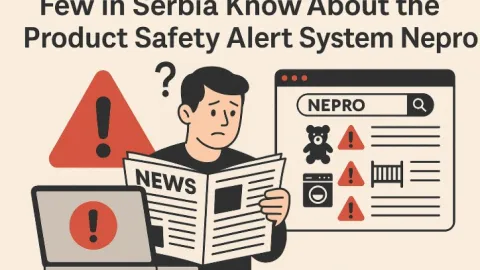
Few in Serbia Know About the Product Safety Alert System Nepro
Consumers in Serbia have little awareness of how to find out if products on the market are unsafe, even though the country has a functioning alert system.
Montenegro Opens Refund Call for Organic Certification and Control Costs
The Ministry of Agriculture, Forestry and Water Management of Montenegro has announced a public call to refund costs related to control and certification in organic production for this year, with a total of 170,000 euros allocated.
North Macedonia Adopts National Version of ISO 37001 Anti-Bribery Standard
A new national standard, MKS ISO 37001:2025, has been published in North Macedonia to help organizations prevent, detect, and respond to bribery.Global News
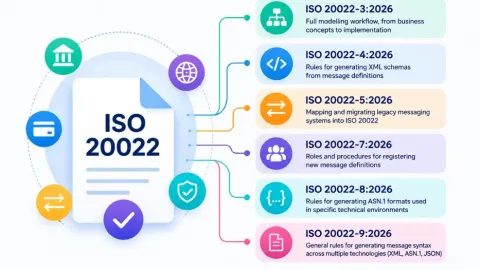
ISO 20022 Series Update Sets New Rules as Payment Systems Prepare for Implementation
The International Organization for Standardization (ISO) has published updated and new parts in the ISO 20022 series, as major payment systems advance their implementation of the standard on closely aligned timelines.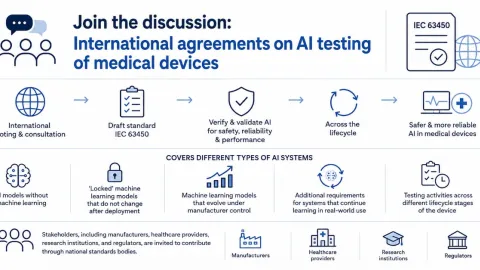
Consultation Underway On Global Standard For AI Testing In Medical Devices
An international voting and consultation phase is underway for a new standard that sets requirements for testing artificial intelligence (AI) and machine learning (ML) in medical devices.
MSC Opens Review Of Chain Of Custody Standard For Public Consultation
The Marine Stewardship Council (MSC) has launched a public consultation on proposed revisions to its Chain of Custody Standard, inviting stakeholders across the seafood supply chain to provide feedback until May 30, 2026.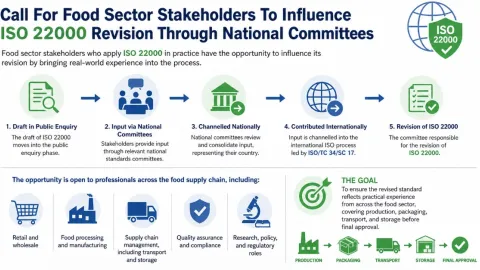
Call For Food Sector Stakeholders To Influence ISO 22000 Revision Through National Committees
Food sector stakeholders who apply ISO 22000 in practice have the opportunity to influence its revision by bringing real-world experience into the process.
AutoCarbon Certification Scheme Due in 2027 As Pilot Phase Begins
The International Automotive Oversight Bureau (IAOB) has announced AutoCarbon,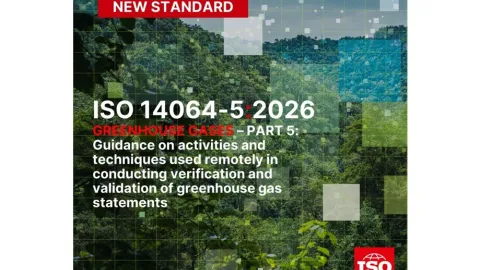
ISO 14064-5 Introduces Guidance For Remote Verification Of Greenhouse Gas Data
The International Organization for Standardization (ISO) has introduced ISO 14064-5, which provides guidance on how to carry out verification and validation of greenhouse gas (GHG) data using remote techniques in digital environments.
ISO 9002 Revision Moves To Draft International Standard Stage
The revision of ISO 9002 has entered the Draft International Standard (DIS) stage, with ISO/TC 176/SC 2, the ISO subcommittee responsible for quality systems, advancing the project into formal consultation.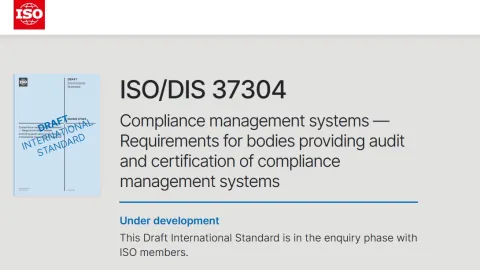
ISO 37304 Compliance Management Certification Standard Advances to Final Draft Stage
The International Organization for Standardization (ISO) has advanced ISO 37304 to the final draft international standard (FDIS) stage.
One Vote Tips Toward New Edition Of ISO/IEC 17065 Over Amendment
One vote has tipped the decision toward publishing a new edition of ISO/IEC 17065 instead of issuing a separate amendment, following a closely split ballot within the International Organization for Standardization (ISO).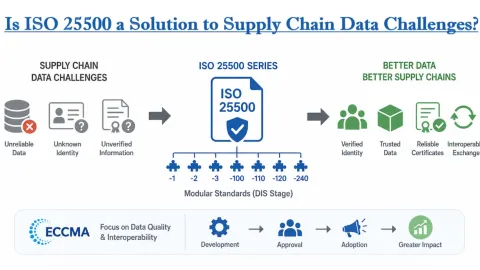
Is ISO 25500 a Solution to Supply Chain Data Challenges?
ISO 25500, a draft series of standards from the International Organization for Standardization (ISO), is presented by the Electronic Commerce Code Management Association (ECCMA) as a possible way to address long-standing problems with unreliable data across global supply chains.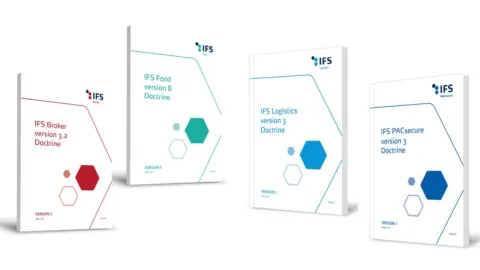
IFS Updates Food, Logistics, Broker And Pacsecure Doctrines To Clarify Certification Rules
The International Featured Standards (IFS) has published updated doctrine documents for its current standards covering food production, logistics, brokerage, and packaging materials, clarifying how certification requirements should be applied without revising the standards themselves.