Management Systems World
All on Quality and other Standards in one place since 2010. Now Worldwide.
News European Union
Please note that you have to be a registered member with paid membership in order to see full articles.
RegisterSelected News

Ireland Opens Applications for IEC Young Professionals Programme 2026
The National Standards Authority of Ireland (NSAI) is inviting applications for Ireland’s place in the International Electrotechnical Commission (IEC) Young Professionals Programme 2026, which will take place in Hamburg this November.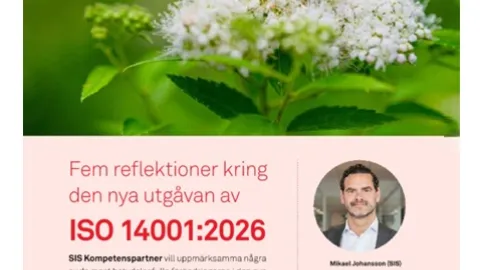
SIS Highlights Five Major Changes in Revised ISO 14001
The Swedish Institute for Standards (SIS) has published an analysis by standard expert and trainer Mikael Johansson outlining five areas organizations may need to reassess in the revised ISO 14001:2026 standard.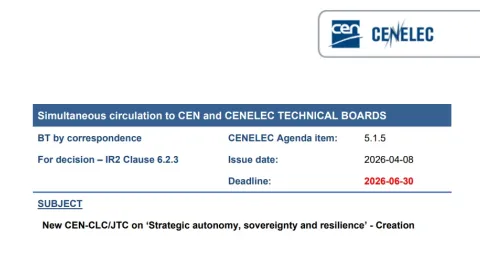
Proposed Standards Committee On 'Made in Europe' Criteria, Sovereignty and Resilience
The Spanish Association for Standardization (UNE) has proposed creating a new CEN and CENELEC Joint Technical Committee to define how “made in Europe” criteria should be assessed and verified,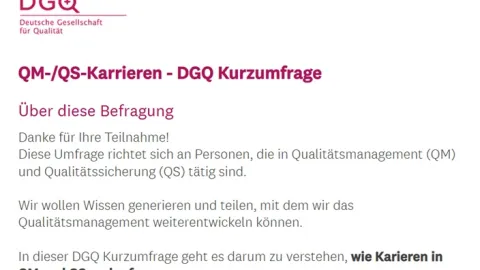
DGQ Survey Examines Career Development in Quality Management
The German Society for Quality (DGQ) has opened a short survey examining how professionals enter and develop careers in quality management and quality assurance, as
Italy Publishes National Versions of ISO/IEC 17020 and 17024 Conformity Assessment Standards
The Italian National Unification Body (UNI) has published the Italian-language national versions of recently updated ISO/IEC 17020 and ISO/IEC 17024, replacing the previous 2012 editions.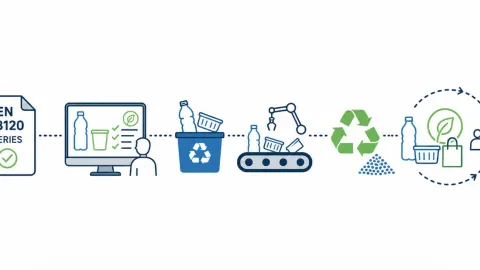
EN 18120 Series Published to Support Design of Plastic Packaging for Recycling
The European Committee for Standardization (CEN) has published the EN 18120 series, a new set of European standards that guide the design of plastic packaging for recycling.
‘Faktor Q’ Podcast Launches With Episode on Quality Culture in ISO 9001:2026
The German trade publication QZ has launched its new “Faktor Q” podcast with a first episode arguing that the upcoming ISO 9001:2026 update will make quality culture a more assessable part of quality management and leadership responsibility.
ILNAS Opens Revision of Laboratory Information Security Standard
The Luxembourg Institute of Standardisation, Accreditation, Safety, and Quality of Products and Services (ILNAS) has launched a public call for participation in the revision of the national standard ILNAS 107:2020,
France Prepares Transition to Revised ISO 17020 Standard
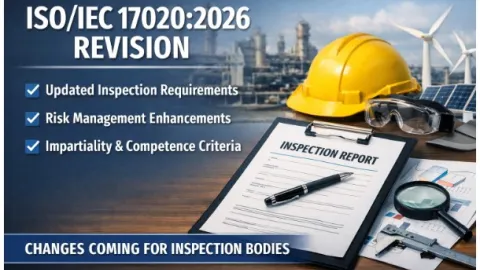
The French Accreditation Committee (Cofrac) is preparing accredited inspection bodies for the transition to the revised ISO/IEC 17020 standard following its publication on March 27, 2026.
EA Updates Guidance for Assessing Point-of-Care Testing Under EN ISO 15189
European co-operation for Accreditation (EA) has published a revised version of EA-4/20, updating how laboratories and accreditation bodies assess point-of-care testing (POCT) under EN ISO 15189:2022.
UNI Honors 2026 Paolo Scolari Award Winners for Contributions to Standardization
The Italian National Unification Body (UNI) has announced the winners of the 2026 Paolo Scolari Award, recognizing individuals who made significant contributions to technical standardization, quality infrastructure, and the promotion of standards culture in Italy and Europe.
UNI and Accredia Release April Editions of Their Monthly Publications
The Italian National Unification Body (UNI) and the Italian accreditation body Accredia have released the April 2026 editions of their monthly publications, STANDARD and AccrediaLetter.Global News

IFAN Launches Podcast Highlighting Perspectives Of Standards Users
The International Federation of Standards Users (IFAN), a global organization representing the interests of standards users, has launched a podcast aimed at sharing the experiences of organizations and professionals who use standards in their work.
ISO 25859 for Thermophilic Microorganisms in Dairy Under Development
The International Organization for Standardization (ISO) is developing ISO 25859, a new international standard that will define how microorganisms that grow at high temperatures are counted in milk and dairy products.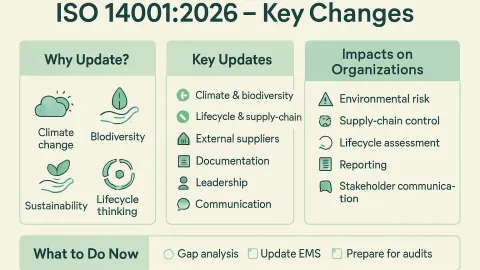
ISO 14001 Final Draft Approved For Publication
The Final Draft International Standard (FDIS) of ISO 14001 has been approved, paving the way for publication in mid April.
IATF Establishes Legal Entity, Ending Ad Hoc Structure
The International Automotive Task Force (IATF) has established a new legal entity, IATF AISBL, marking a shift from its previous structure as an ad hoc group of automotive manufacturers and their national industry associations.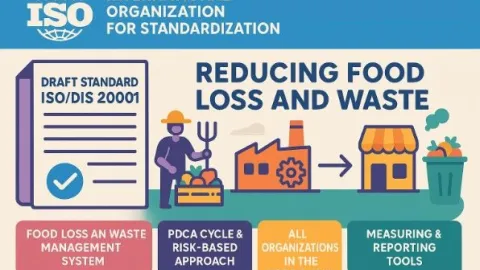
Have Your Say On Food Waste Management: ISO 20001 Survey
Harper Adams University is inviting professionals across the food chain to take part in a survey on ISO 20001, a proposed international management system standard designed to help organisations systematically reduce food loss and waste.
GOTS Version 8.0 Released With Expanded Due Diligence And Environmental Controls
Global Standard has released Version 8.0 of the Global Organic Textile Standard (GOTS),
Global Quality Infrastructure Index 2025 Report Ranks Germany First as Certification and Accreditation Expand
The 2025 edition of the Global Quality Infrastructure Index (GQII) has been released, presenting updated rankings and new data on the development of national quality infrastructure systems.
BRCGS Announces 2026 EMEA Award Winners At Connect Europe
BRCGS has announced its 2026 award winners during BRCGS Connect Europe in London, recognizing individuals and organizations serving the Europe, Middle East and Africa (EMEA) region and adjacent markets.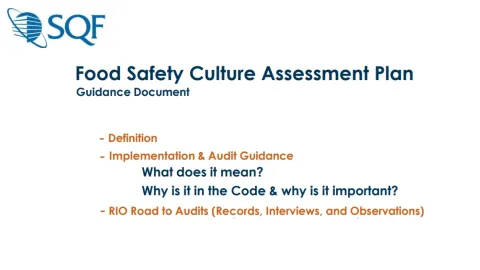
Food Safety Culture Becomes a Formal Certification Requirement Under SQF Edition 10
When SQF Edition 10 launches in March, food safety culture will be required and auditable as part of certification.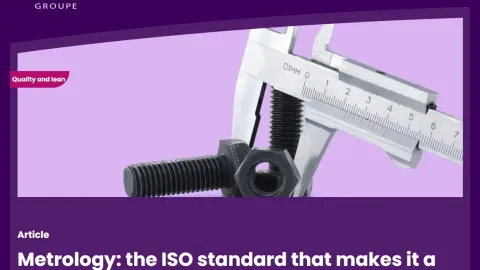
Revised ISO 10012 Reframes Metrology As A Management System
The revised ISO 10012 standard has been published, positioning metrology as an integral part of quality management systems rather than a standalone technical activity.
ISO 14091 Under Review To Ensure It Meets Climate Adaptation Needs
The International Organization for Standardization (ISO) is conducting a systematic review of ISO 14091 to determine whether it still meets the needs of organizations addressing climate change risks.