Management Systems World
All on Quality and other Standards in one place since 2010. Now Worldwide.
News Europe
Please note that you have to be a registered member with paid membership in order to see full articles.
RegisterSelected News
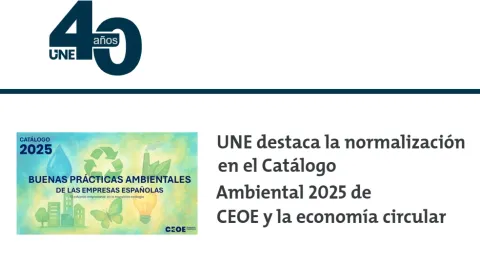
UNE Featured In CEOE Environmental Practices Catalog For Circular Economy Initiative
The Spanish Association for Standardization (UNE) has been featured in the 2025 Environmental Best Practices Catalog of Spanish Companies,
Quality Council Of The Czech Republic Publishes Newsletter Reviewing Quality Initiatives From 2025
The Quality Council of the Czech Republic and the Ministry of Industry and Trade (MPO) have published a newsletter summarizing the main activities carried out in 2025 to support quality, innovation, and responsible business practices in the country.
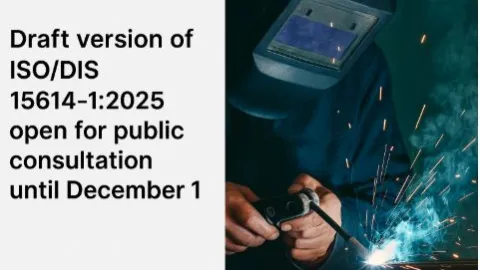
ISO 21800: Making Sense Of Long And Confusing Online Terms And Conditions
Long and complex online terms and conditions often discourage consumers from reading them, creating a gap between what people agree to and what they actually understand.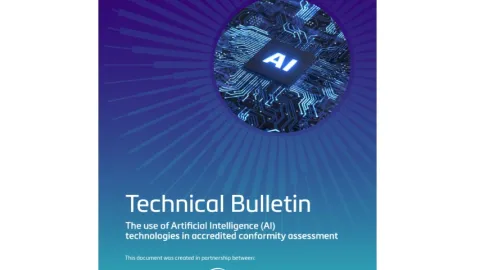
UKAS and DAkkS Publish Joint Guidance on AI in Accredited Conformity Assessment
The United Kingdom Accreditation Service (UKAS) and the German accreditation body (DAkkS) have published joint guidance to help conformity assessment bodies adopt artificial intelligence (AI) responsibly in accredited activities.
Danish Standards Celebrate A Century Of Standardization
The Danish national standards body DS is celebrating its 100th anniversary, marking a century of work supporting safety, trade, and innovation in Denmark.
France Qualité Invites Professionals To Contribute To Quality Barometer 2026-2027
France Qualité is inviting quality and performance professionals to take part in the 2026-2027 edition of the Quality Barometer, an international survey designed to track how practices in quality, continuous improvement, and organizational performance are evolving.
Standard Norway Adopts New Corporate Strategy Through 2030
Standard Norway (SN) has adopted a new corporate strategy to guide its work through 2030 and strengthen its ability to deliver standards that support safety, quality, efficiency and sustainability.
Italy Opens Consultation On Framework For Assessing And Certifying Digital Skills
Italy has opened a public consultation on a draft reference practice that would establish common rules for assessing and certifying digital competences.
PCA Opens Consultation On Draft Update To DAK-08 For Railway Inspection Body Accreditation
The Polish Centre for Accreditation (PCA) has opened a public consultation on a draft update of the DAK-08 document,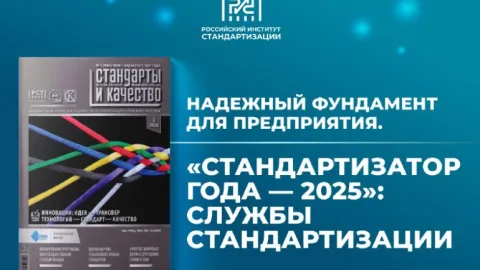
Inside Russia’s Standardizer Of The Year 2025 Award In The February Issue Of Standards And Quality
An article reviewing the results of the national “Standardizer of the Year 2025” competition appears in the February 2026 issue of the journal Standards and Quality.
SIS Invites Swedish Stakeholders To Meeting On Yoga And Ayurveda Standard
SIS, the national standards body of Sweden, has invited stakeholders to attend a meeting on March 26 about international standardization work on yoga and ayurveda,
Czech Republic Proposes Technical Committee On Cybersecurity And Information Security
The Czech Standardization Agency (ČAS) has announced a proposal to establish a new technical standardization committee focused on cybersecurity and information security.Global News
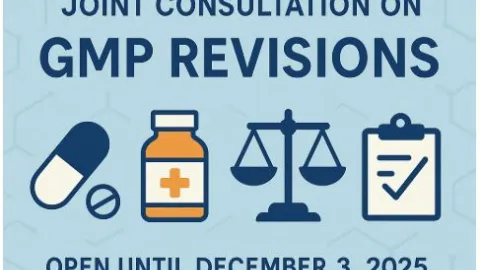
PIC/S and EMA Seek Feedback on Pharmaceutical Quality System in GMP Guide
The Pharmaceutical Inspection Co-operation Scheme (PIC/S) and the European Medicines Agency (EMA) have launched a joint consultation on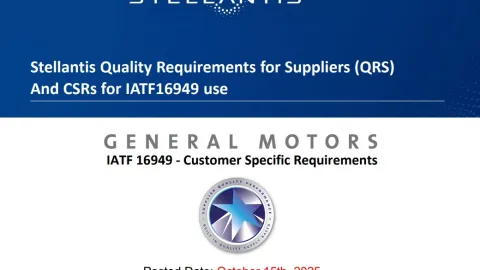
GM and Stellantis Update Customer-Specific Requirements for IATF 16949 Certification
General Motors and Stellantis have both issued updates to their customer-specific requirements (CSRs) under the automotive quality management standard IATF 16949.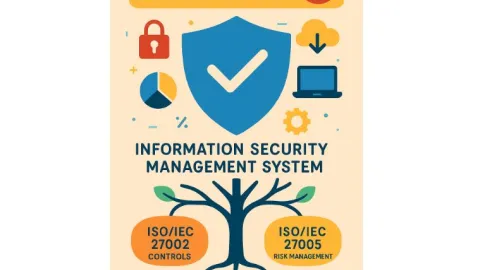
Two Decades as Cornerstone of Information Security Management: ISO 27001 Turns 20
The international standard ISO/IEC 27001 has turned 20, continuing to serve as the main global reference for information security management systems (ISMS).
CSQ 2.0 Launched: Cannabis Safety and Quality Certification Revision
The Cannabis Safety & Quality (CSQ) organization has launched the finalized CSQ 2.0 Certification Program,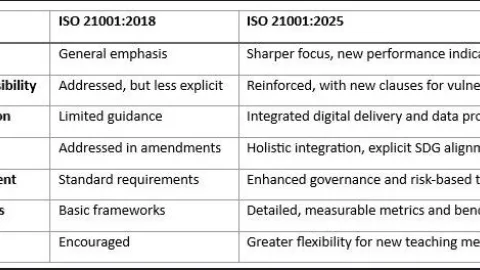
Updated ISO 21001 for Educational Management Moves Focus to Learners and Sustainability
The International Organization for Standardization (ISO) has released the second edition of its Educational Organizations Management Systems (EOMS) standard, ISO 21001:2025.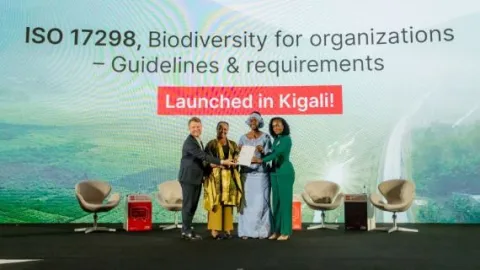
First Global Standard for Organizational Biodiversity Action: ISO 17298 Launched in Kigali
The International Organization for Standardization (ISO) has released ISO 17298, the world’s first international standard to help organizations take measurable and accountable action on biodiversity.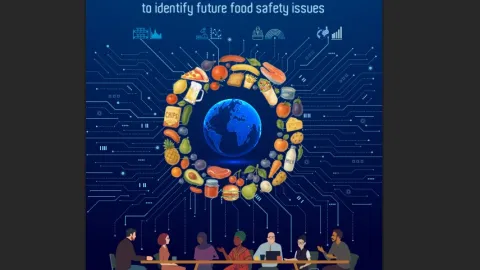
FAO Introduces New Guide on Anticipating Future Food Safety Risks
The Food and Agriculture Organization of the United Nations (FAO) has published a new guide that explains how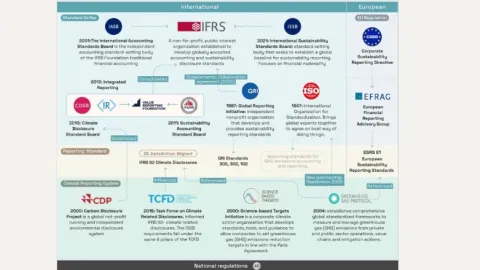
Global Climate Reporting Standards and Frameworks Mapped by Datamaran
Datamaran, a provider of ESG risk and regulatory intelligence, released an infographic and accompanying report providing a global overview of climate change reporting standards and frameworks.
BRCGS Revamps Online Directory to Enhance Supplier Management
The British Retail Consortium Global Standards (BRCGS) has launched an upgraded version of its online Directory, introducing Directory Pro and a new API service to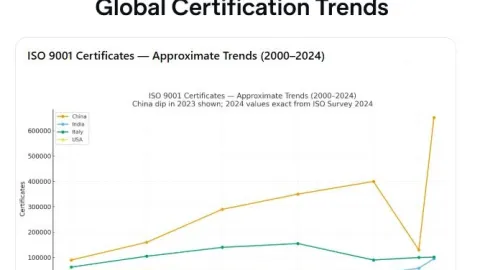
ISO Survey 2024 Released as China’s Return Skews Global Results
The 2024 edition of the ISO Survey marks a major shift in how global certification data is collected -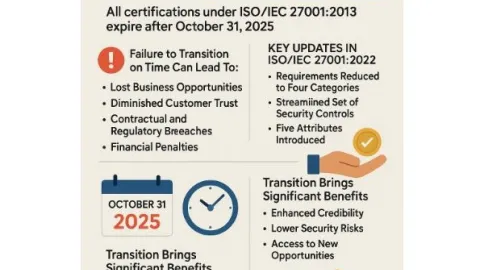
Final Weeks Before Transition Deadline for ISO 27001: Act by End of October
The deadline for transitioning to the new ISO/IEC 27001:2022 version of the international information security management standard is approaching fast.