Management Systems World
All on Quality and other Standards in one place since 2010. Now Worldwide.
News
Please note that you have to be a registered member with paid membership in order to see full articles.
RegisterSelected News

IPQ Marks 40 Years of Quality in July Newsletter
The Portuguese Institute for Quality (IPQ) has released its July newsletter, with the institute's 40th anniversary taking center stage.
North Macedonia Adopts ISO 14092 Climate Adaptation Standard
The Institute for Standardization of the Republic of North Macedonia (ISRSM) has adopted ISO 14092, the international standard for climate change adaptation planning, as a
ATS Calls for Accreditation Council Member Nominations
The Accreditation Body of Serbia (ATS) has invited accredited conformity assessment bodies to nominate candidates for its Accreditation Council, with submissions open until August 10, 2026.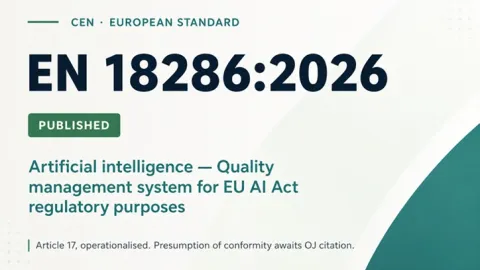
EN 18286 Published to Help Organizations Prepare for the EU AI Act
CEN and CENELEC have published EN 18286, a new European standard that provides a quality management framework to
European Commission Simplifies Sustainability Reporting to Cut Costs and Administrative Burdens
The European Commission (EC) has adopted revised European Sustainability Reporting Standards (ESRS) together with a voluntary sustainability reporting standard for smaller companies, aiming
Department of War Suspends CMMC Phase II Certification Requirements
The United States Department of War (DoW) has suspended Cybersecurity Maturity Model Certification (CMMC) Phase II requirements before they became mandatory, launching a 60-day review of the program that could lead to significant changes in how cybersecurity requirements are applied to defense contractors.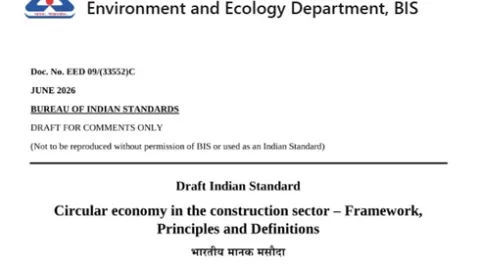
Circular Economy Draft Standard for Construction Opens for Public Comment in India
The Bureau of Indian Standards (BIS) has opened a public consultation on a draft Indian Standard that would establish a national framework for applying circular economy principles across India's construction sector.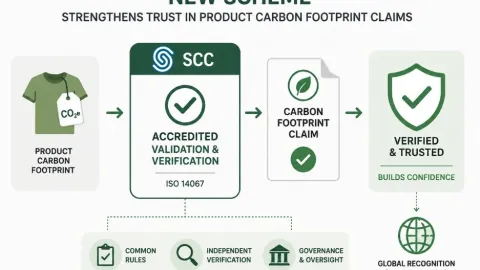
SCC Launches ISO 14067 Accreditation Scheme for Carbon Footprint Claims
The Standards Council of Canada (SCC) has launched a new Carbon Footprint of Products (CFP) accreditation scheme for bodies that independently validate and verify carbon footprint claims under ISO 14067.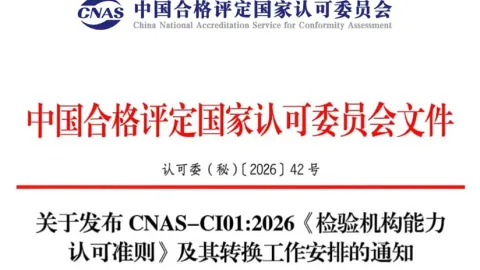
CNAS Sets Transition to ISO/IEC 17020:2026 for Inspection Bodies
The China National Accreditation Service for Conformity Assessment (CNAS) has launched China's transition to ISO/IEC 17020:2026 by publishing updated accreditation criteria for inspection bodies and a timetable for replacing the current requirements.
Digital Process Certification Opens for Italy's Construction and Real Estate Sectors
The Italian Accreditation Body (Accredia) has launched an accredited certification scheme for digital process management systems in the construction and real estate sectors based on the new UNI 11337-8:2026 standard.
Vietnam Updates National Standards Plan, Expands Workforce Development
Vietnam is advancing its national quality infrastructure through two new initiatives announced by the Commission for Standards, Metrology and Quality of Viet Nam (STAMEQ),
Greece Seeks Feedback on National Quality Portal Project
A public consultation has opened on the technical specifications for Greece's planned National Quality Portal.Global News
Joint ISO and IEC Team Releases Information Model for SMART Content
The International Organization for Standardization (ISO) and the International Electrotechnical Commission (IEC) have released the first version of the IEC & ISO Information Model for SMART content,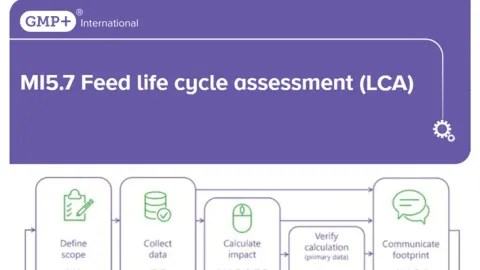
GMP+ International Launches Feed Life Cycle Assessment Standard
The GMP+ International has launched the MI5.7 Feed Life Cycle Assessment LCA standard, introducing a harmonized method for calculating and communicating the environmental impact of feed products across the supply chain.
ISO 22367:2026 Revises Risk Management Guidance for Medical Laboratories
The International Organization for Standardization (ISO) has published ISO 22367:2026, a revised standard that provides medical laboratories with a structured approach to identifying, assessing, and controlling risks across laboratory activities and testing processes.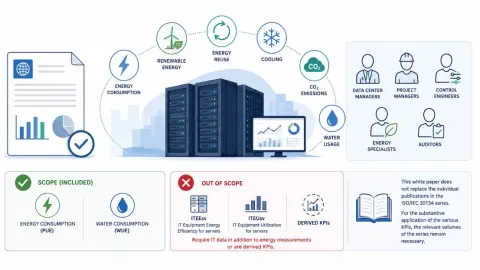
ISO 30134 Series KPIs Highlighted in New Data Center Energy and Water Whitepaper
A new whitepaper published by the International Organization for Standardization (ISO) explains how key performance indicators (KPIs) from the ISO/IEC 30134 series can be used to measure and report energy and water use in data centers.
CSQ Invites Comments on Cannabis EU GMP Certification Addendum
Cannabis Safety & Quality (CSQ) has opened a public comment period for a new EU GMP certification addendum,
FSSC 22000 Version 7 Updates Prerequisite Programs And Aligns With GFSI 2024
The Foundation FSSC has released Version 7 of the FSSC 22000 food safety management system certification scheme, introducing updated prerequisite programs (PRPs) and aligning the scheme with the 2024 Global Food Safety Initiative requirements.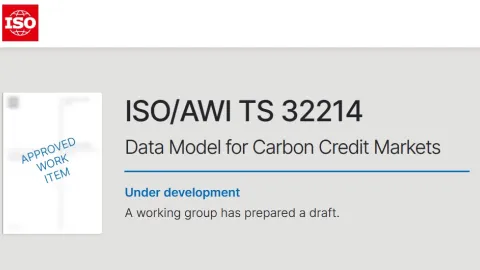
ISO Develops Carbon Credit Data Model Standard, Calls for Input
A new data model for carbon credit markets is being developed by ISO’s sustainable finance and financial services committees, with early input still open to stakeholders.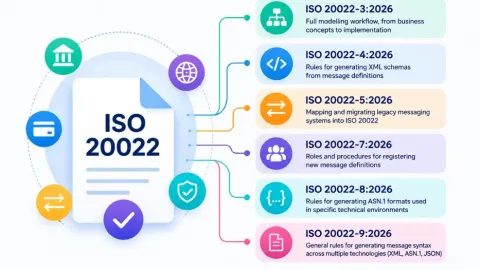
ISO 20022 Series Update Sets New Rules as Payment Systems Prepare for Implementation
The International Organization for Standardization (ISO) has published updated and new parts in the ISO 20022 series, as major payment systems advance their implementation of the standard on closely aligned timelines.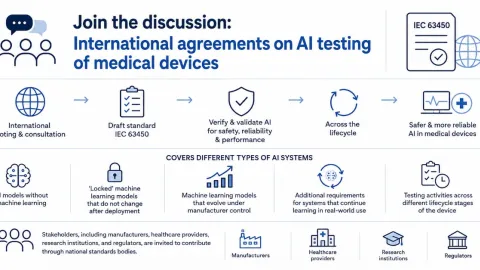
Consultation Underway On Global Standard For AI Testing In Medical Devices
An international voting and consultation phase is underway for a new standard that sets requirements for testing artificial intelligence (AI) and machine learning (ML) in medical devices.
MSC Opens Review Of Chain Of Custody Standard For Public Consultation
The Marine Stewardship Council (MSC) has launched a public consultation on proposed revisions to its Chain of Custody Standard, inviting stakeholders across the seafood supply chain to provide feedback until May 30, 2026.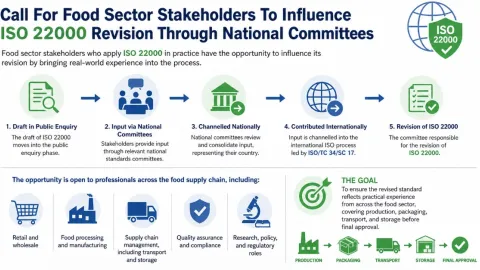
Call For Food Sector Stakeholders To Influence ISO 22000 Revision Through National Committees
Food sector stakeholders who apply ISO 22000 in practice have the opportunity to influence its revision by bringing real-world experience into the process.