Management Systems World
All on Quality and other Standards in one place since 2010. Now Worldwide.
News
Please note that you have to be a registered member with paid membership in order to see full articles.
RegisterSelected News

JASANZ Celebrates 35 Years Of Accreditation Across Australia And New Zealand
The Joint Accreditation System of Australia and New Zealand (JASANZ) is marking 35 years of providing accreditation that helps ensure products, services, and systems meet recognized standards across Australia, New Zealand, and international markets.
Standard Norway Seeks Expert to Adapt Oil and Gas Materials Standard for Shorter Projects
The Standard Norway (SN) is looking for an external expert to help adjust the NORSOK M-001 materials standard so it better fits today’s shorter oil and gas projects.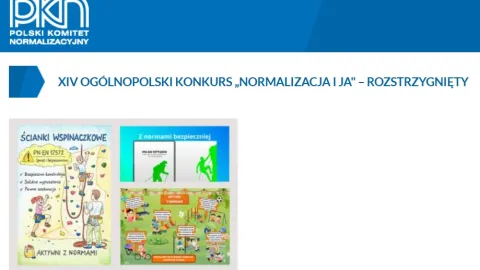
Winners Of The 14th National Competition "Standardization And Me" Announced
The Polish Committee for Standardization (PKN) has announced the results of the 14th National Competition "Standardization And Me", drawing strong participation from students and teachers across Poland.
Saudi Standards Body Infographic Highlights 2026 Quality, Safety and Inspection Results
The Saudi Standards, Metrology and Quality Organization (SASO) has released an infographic outlining its 2026 activities in standards, product safety, and inspection programs across the Kingdom.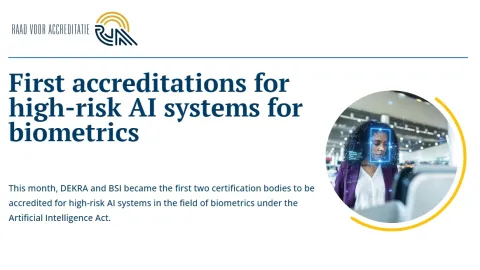
DEKRA and BSI Receive First Accreditations for High Risk AI Systems Under EU AI Act
The Dutch Accreditation Council (RvA) has granted the first accreditations under the European Union’s Artificial Intelligence Act (AI Act) to DEKRA and the British Standards Institution (BSI) for certification of high-risk AI systems in biometrics.
Serbia Updates Accreditation Requirements for Organic Product Certification Bodies
The Accreditation Body of Serbia (ATS) has announced updates to accreditation scopes for certification bodies in organic food production following the adoption of a new Law on Organic Production, which takes effect on June 1, 2026.
CEN Merges Postal and Logistics Committees into Expanded Transport Standardization Body
The European Committee for Standardization (CEN) is merging its postal services committee into its transport and logistics committee, creating a single body covering transport, logistics, and postal services.
JSA Launches International Standardization Strategy Center
The Japan Standards Association (JSA) established a new International Standardization Strategy Promotion Center on April 1, 2026, to support government-led priority sectors and strengthen Japan’s role in international standardization.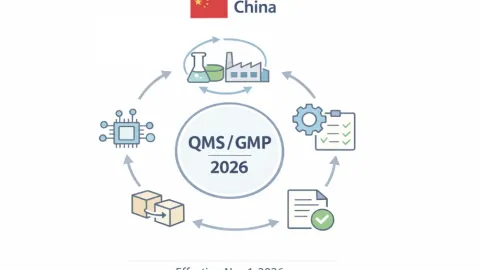
China Tightens GMP Rules For Medical Device Manufacturers Effective November 2026
The National Medical Products Administration (NMPA) has revised China’s Good Manufacturing Practice (GMP) requirements for medical devices, introducing stricter quality management system rules that will take effect on November 1, 2026 and replace the current 2014 version.
FSC Introduces Interim Forest Stewardship Standard for South Africa’s Natural Forests
The Forest Stewardship Council (FSC) has introduced an interim standard for South Africa’s natural forests, setting clear rules for responsible forest management and certification from July 1, 2026.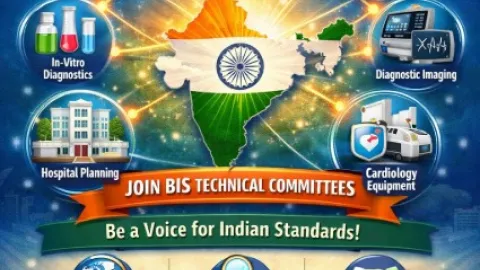
India Invites MSMEs to Join Healthcare Standards Committees
The Bureau of Indian Standards (BIS) is inviting micro, small, and medium enterprises (MSMEs) to join technical committees in its Medical Equipment and Hospital Planning Department (MHD), opening the standardization process to a wider range of industry participants.
Vietnam Draft Standard Sets Clear Metrics for Online Public Services
The Commission for Standards, Metrology and Quality of Viet Nam (STAMEQ) has introduced a draft national standard for online public services that defines how user experience will be measured using specific indicators.Global News

IATF Releases New Sanctioned Interpretations for Rules 6th Edition and IATF 16949
The International Automotive Task Force (IATF) has announced the release of Sanctioned Interpretations (SIs) for both the Rules 6th Edition and IATF 16949.
BRCGS Releases Interpretation Guidelines for Issue 7 of Packaging Materials Standard
BRCGS has released the Interpretation Guidelines for Issue 7 of the Packaging Materials Standard, providing additional context and guidance for each clause.
AFNOR Spec 2315 Lays Groundwork for Regenerative Economy Standardization
AFNOR has introduced AFNOR Spec 2315, a pivotal document designed to anchor the concept of a regenerative economy in standardization.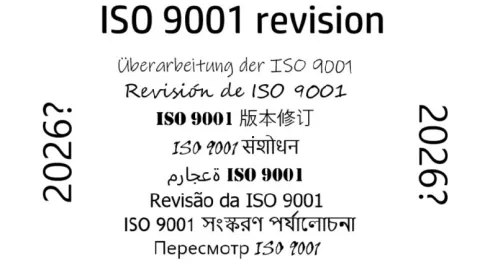
ISO 9001 Revision Progresses Toward 2026 Release
The International Organization for Standardization (ISO) has extended the development timeline for the ISO 9001 standard, now aiming for a September 2026 publication.
World’s First International Standard for Stem Cell Data Released
The world’s first international standard for stem cell data, ISO 8472-1, has been officially released, addressing the lack of global regulations for stem cell data management and sharing.
ISO Unveils Framework for Implementing ESG Principles at COP29 - IWA 48 published
The International Organization for Standardization (ISO) introduced the ESG Implementation Principles at COP29 on November 14, 2024.
KPMG Australia First Globally to Earn BSI AI Management Certification
KPMG Australia has become the first organization worldwide to receive certification from BSI for its AI management system.
Standards Organizations Unite at COP29 to Drive Climate Action; launched first-ever Standards Pavilion
International standards organizations have joined forces to highlight the critical role of standards in accelerating climate action at COP29.
ISO Begins Review of ISO 22000 to Address New Food Safety Trends
The ISO 22000 standard, which sets food safety management system requirements, has entered its review phase to adapt to emerging global trends and industry needs.
IFS Wholesale and Cash & Carry Version 3 Launching in November with Major Updates
IFS has announced the upcoming release of IFS Wholesale and Cash & Carry version 3, aimed at enhancing safety and quality for wholesalers, cash & carry businesses, and packaging companies.
AFNOR Spec: New Standard for Simplifying Digital App Development with "Low-Code/No-Code"
The Syndicat Français des Professionnels du NoCode (SFPN), backed by AFNOR, has launched AFNOR Spec, a new technical document dedicated to "Low Code and No Code" (LCNC) technology.