Management Systems World
All on Quality and other Standards in one place since 2010. Now Worldwide.
News Food / Agriculture
Please note that you have to be a registered member with paid membership in order to see full articles.
RegisterSelected News
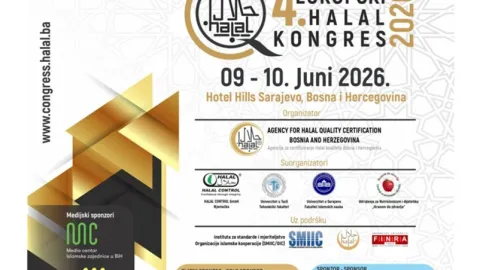
Sarajevo to Host Fourth European Halal Congress in June 2026
The Agency for Halal Quality Certification of Bosnia and Herzegovina will host the Fourth European Halal Congress in Sarajevo on June 9-10, 2026,
CJ CheilJedang First in South Korea to Introduce BRCGS Food Safety Culture Module
CJ CheilJedang, one of South Korea’s largest food companies, has become the first company in South Korea to implement the BRCGS Food Safety Culture Excellence (FSCE) module, using the program to assess food safety culture and identify areas for improvement across the company.
Italy Opens Consultation on Food Traceability Certification Rules
The Italian National Unification Body (UNI) has opened a public consultation on a new reference practice that would define how accredited certification bodies assess traceability systems in agri-food supply chains under UNI EN ISO 22005:2008.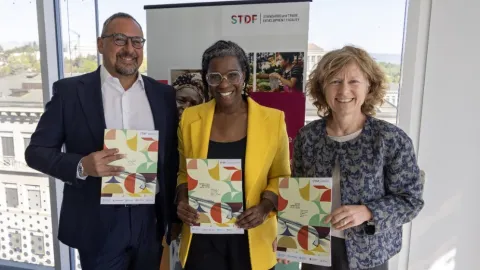
Canada Funds STDF Efforts to Strengthen Food Safety Systems in Developing Countries
The Government of Canada is investing about 360,000 US dollars in the Standards and Trade Development Facility (STDF) to help developing countries strengthen food safety, plant health, and animal health systems tied to international trade requirements.
France Invites Food Sector Feedback on ISO 22000 Revision
The French Association for Standardization (AFNOR) is inviting food sector stakeholders to comment on the draft revision of ISO 22000 as part of both the international update process and the future French adoption of the standard as NF EN ISO 22000.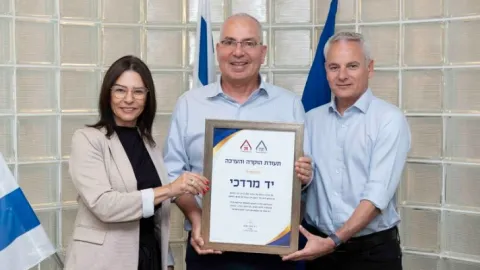
Yad Mordechai Becomes Only Israeli Olive Oil Producer With SII Standards Mark
The Standards Institution of Israel (SII) has awarded Yad Mordechai an official Standards Mark certificate for its olive oil products, recognizing the company as the only producer currently holding the mark.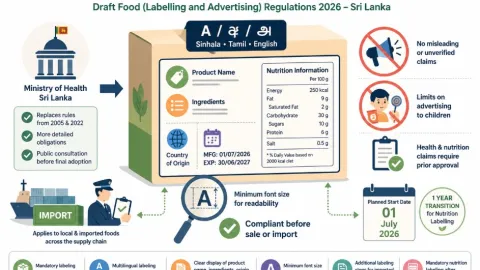
Sri Lanka Proposes Food Labelling And Advertising Rules With Mandatory Nutrition Information
Sri Lanka’s Ministry of Health has issued draft Food (Labelling and Advertising) Regulations 2026 for public consultation.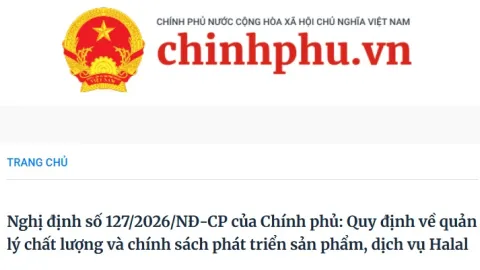
Vietnam Sets Rules for Halal Product Quality and Certification
The Government of Vietnam has issued Decree No. 127/2026/ND-CP, setting a legal framework for managing the quality of halal products and services and supporting their development.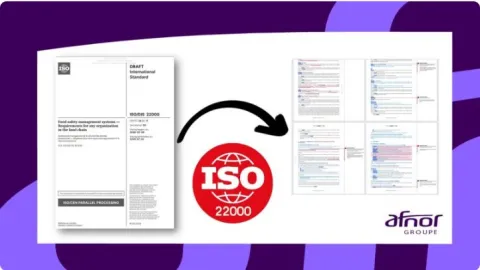
ISO 22000 Draft Gets French Translation
A French translation of the Draft International Standard (DIS) for ISO 22000, which sets requirements for food safety management systems, has now been completed as part of the revision led by the International Organization for Standardization (ISO).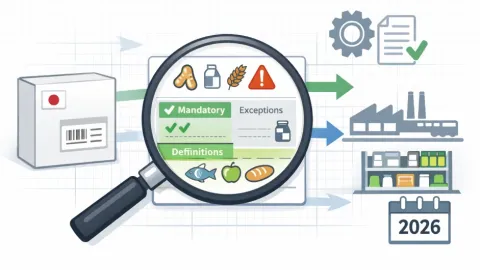
Japan Updates Food Labeling Rules for Allergen Information
The Consumer Affairs Agency (CAA) has revised Japan’s Food Labeling Standards to update allergen information and improve how key safety details are presented on food products.
Serbia Updates Accreditation Requirements for Organic Product Certification Bodies
The Accreditation Body of Serbia (ATS) has announced updates to accreditation scopes for certification bodies in organic food production following the adoption of a new Law on Organic Production, which takes effect on June 1, 2026.
Lubimar First Certified Under Unified ASC Farm Standard
Lubimar, a seabass and seabream farm in southern Spain, has become the first to be certified to the Aquaculture Stewardship Council (ASC) Farm Standard.Global News
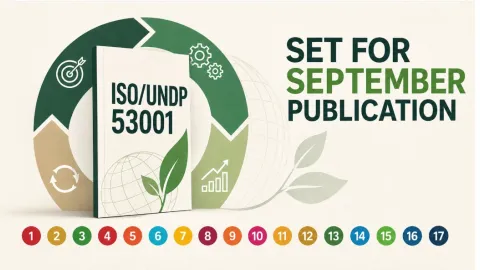
Upcoming ISO/UNDP 53001 Sets First Management System Requirements for the SDGs
ISO/UNDP 53001, set for publication in September 2026, will provide the first management system requirements specifically for organizations seeking to manage and improve their contribution to the Sustainable Development Goals (SDGs).
VDA Releases VDA 5.4 Draft for Fastening Measurement Tools
The Quality Management Center of the German Association of the Automotive Industry (VDA QMC) has released VDA 5.4, Interface for measuring tools in fastening technology, as a Yellow Volume for industry feedback.
ISO/CASCO Clarifies: ISO/IEC 17025 Does Not Require Labs to Treat Accreditation Bodies as Suppliers
The maintenance group of the International Organization for Standardization’s Committee on Conformity Assessment (ISO/CASCO) has clarified that ISO/IEC 17025:2017 does not require laboratories to treat their accreditation bodies as external service providers subject to the standard’s supplier controls.
JFS-C Standard Version 3.2 Gains GFSI Recognition Under 2024 Benchmarking Requirements
The Global Food Safety Initiative (GFSI) has recognized JFS-C Standard Version 3.2 from the Japan Food Safety Management Association (JFSM) against its 2024 Benchmarking Requirements.
21st International Standards Olympiad Held in Korea
The 21st International Standards Olympiad brought together 105 middle-and high-school students from 11 countries in the Republic of Korea for a three-day competition and hands-on experience with international standardization.
ISO Environmental Management Committee Seeks Global Input for 2027-30 Plan
The International Organization for Standardization (ISO) Technical Committee 207 (ISO/TC 207), Environmental management, has launched a global consultation to help set its priorities for 2027-30.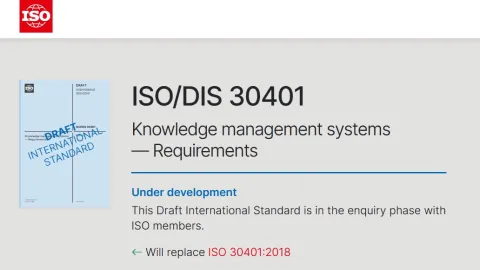
DIS Ballot for ISO 30401 Knowledge Management Revision Closes September 17
ISO 30401, the international standard for knowledge management systems, is currently at the Draft International Standard (DIS) stage, with voting on the proposed second edition due to close September 17, 2026.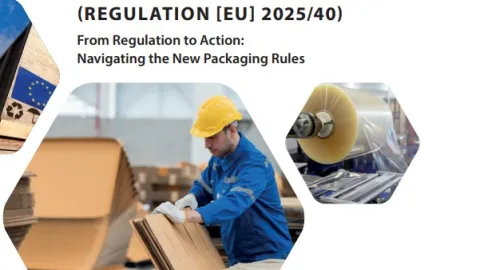
IFS Publishes PPWR White Paper and Launches Self-Assessment as EU Rules Take Effect
International Featured Standards (IFS) has published a new PPWR white paper and launched a self-assessment tool as the first requirements of the European Union’s Packaging and Packaging Waste Regulation (PPWR) took effect on August 12, 2026.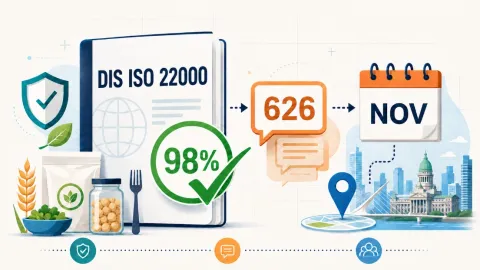
ISO 22000 Draft Approved With 98% Support, Comments Review Set for November
The revision of ISO 22000, the international standard for food safety management systems, has cleared its Draft International Standard (DIS) ballot with 98% positive votes.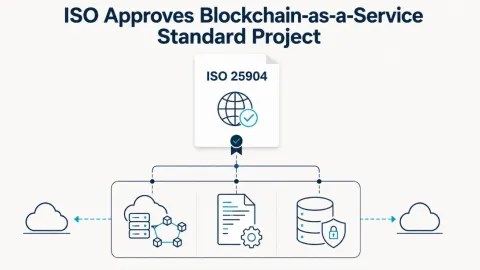
ISO Approves Blockchain-as-a-Service Standard Project
The International Organization for Standardization (ISO) has approved ISO 25904, a new standard project to establish a common technical framework and functional requirements for Blockchain-as-a-Service (BaaS) platforms.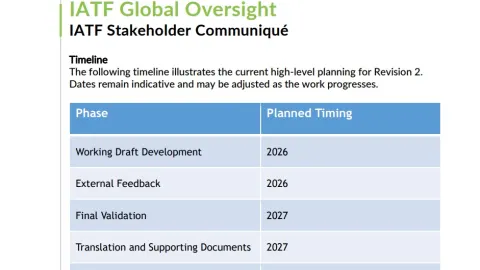
IATF 16949 Second Edition Expected in Mid-2027 With Five Priorities Set
IATF 16949 is expected to reach its second edition in mid-2027, with five priorities set for the revision.